Melbourne Reviews
- Details
- Steve Androulakis
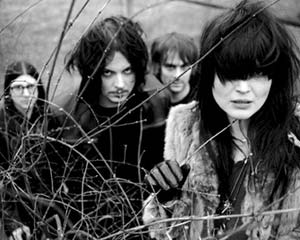
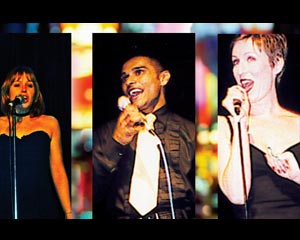
The energy that these accomplished musicians brought to their dark, modern blues-rock proved that combining enthusiasm and yes, a fair amount of freakish talent is a recipe for a rocking, crowd-pleasing show.
- Details
- Liza Dezfouli
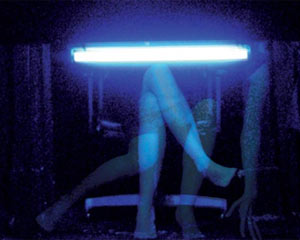
We’re brought to care most skillfully by a stunning level of performance, a rare thrill in theatre.
- Details
- Steve Androulakis

Despite how much most of the audience tried to be amused, it clearly wasn't happening as we sat through one tired, obvious reference after another.
- Details
- Stephanie Glickman
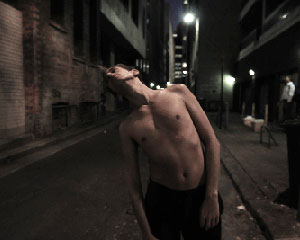
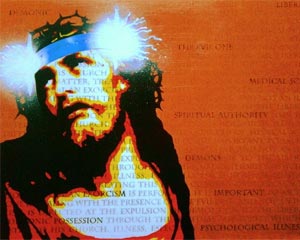
Del Amo has constructed a performance that is fairly simple in production but highly textured and multi-faceted in content.
- Details
- Danu Poyner
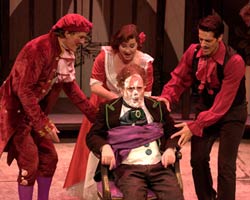
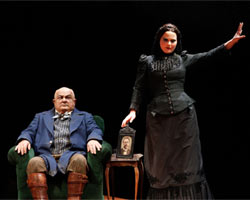
The last place I expected to hear a joke about the government's insulation scheme was in a performance of The Barber of Seville. But that was only one of many pleasant surprises in Melbourne Opera's latest production of Rossini's enduring classic.
Most read Melbourne reviews
A Beautiful Noise – The Neil Diamond Musical
A Beautiful Noise is a jukebox musical that imagines present-day Diamond looking back on his history.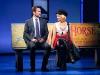
Pretty Woman The Musical
Adapting a beloved film with the cultural status of 1990s Pretty Woman is a huge creative swing.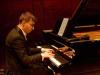
Keys to Life | Jayson Gillham & Iyad Sughayer
Two men, one tall one short, wearing suits with open-necked shirts, march on stage and turn a happy grin to the audience.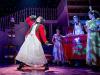
Pride & Prejudice* (*sort of) | Neil Gooding Productions & Woodward Productions
A nuanced and wild adaptation of one of the world’s most loved novels.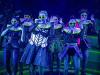
SIX the Musical
After a series of shows that are repurposing IP to capitalise on millennial nostalgia without much heart, SIX the Musical has returned to show everyone how compelling original content can be.
Now playing Melbourne

This work regularly feels like a short story that has not been adequately shaped into a play
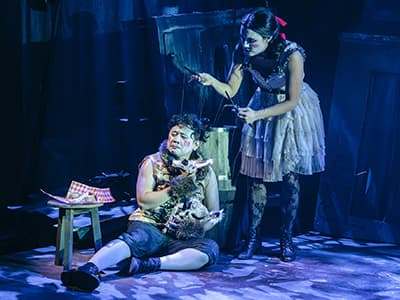
Spells, rules and the fourth wall are consistently broken in this chaotic retelling of some of the Grimm Brother’s most famous fairy tales.