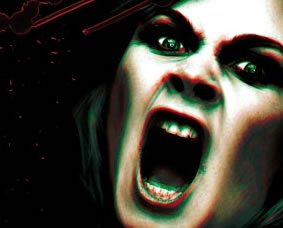
 The four melodramas of The Wicked Voice slash at the skin to bleed open wounds for all to see pain and rawness - this is affective theatre.
The focus is on stories of female characters, accompanied by live music from either a piano or fortepiano. The underlying theme for all pieces is touted as ‘vengeance, destiny and romance’ though I had trouble picking the latter.
The acting performances range from strong and punchy to delicate and wan, matched by the co-stars of the piano and fortepiano. The audience experience is stunning in the sense of being a rabbit in the headlights - we know the pain ahead, but we’re going to watch anyway. Despite some lulling moments, there was more than enough guttural rage to slap people away from pondering their grocery lists and pay attention to genuine emotional extremes.
The scripts come from poetry, mythology or folklore, dating back thousands of years to more recent 18th century scratchings. The accompanying music is from 18th century European composers Benda and Fibich, as well as a world premiere composition for The Jade Harp by Australian composer Larry Sitsky AM. Overall, the words and notes blend together to thrust up betrayal of hopes from love or from life itself.
Medea is the first of the melodramas, and actress Clare Blumer held the audience mesmerised as she stamped or glided from one end of the stage to the other. Her pain-stained eyes searched off into the back of the theatre luring one into believing that she was truly in writhings of emotional anguish. At times, the soliloquy of inner angst got a bit pathetic ie ‘get over that loser honey’ but then the shift came in a burst of saliva-spluttering, hair-tearing, fingernail- scraping frenzy. The cause of Medea’s fury, oblivious cheater Jason, was played by Raoul Craemer, who acted the part of the gutless innocent.
The paced changed from tempestual to doom-saying in Christmas Eve op.9. Soloist Miriam Miley-Read’s clear voice was from the core, narrating a kind of ghost story about the milestones of life: marriage and death - are they the same thing?
The Jade Harp was very Eastern in nature due to original text from various oriental writers (and one western). Larry Sitsky’s composition captured the zen-ness in short spurts of piano, like a samisen echoing a theme of haiku recitals or a Yoko Ono reading. Bringing the words into breathless song was Angela Giblin whose bodily wranglings transformed each of the seven songs into its own entity, also aided by effective stage direction and lighting effects. Giblin’s role as a wise one with stories and lessons was a lamenting siren call to women, though some of the words were tricky to understand.
To round off the evening was the disturbing Water Goblin op 15., with actress Chrissie Shaw’s stern voice narrating the tragic destiny a young girl. Imagine Red Riding Hood, except the wolf gets a feed - and I don’t mean the picnic basket.
With all the pondering pauses about, there is a depth required to keep the melodrama from washing into a lather of soapie soft-focus stare-offs. Luckily, the talent of the directors Caroline Stacey and Dianna Nixon, matched the mood of their particular pieces to the music. Equally matched is the alternation between piano and fortepiano - the latter described in an audience pamphlet as having a more powerful sound, richer texture and ability for faster playing than standard pianos. This fits in well with the seesawing spectrum of emotions contrasted between each melodrama. At times the music seemed out of sync; the dissonance between stage action and piano playing was perhaps intended, like watching a silent movie with the ‘uh-oh’ music coming before the film shows a foreboding shadow darkening a maiden’s window. This feeling is brought forth by the skill of ANU music professor Geoffrey Lancaster AM, whose fingers were able to dash between the fortepiano keys seamlessly in Medea’s flighty disarray. Quieter moments at the piano were expertly tip-toed by Larry Sitsky who sensed the pauses and let the notes linger and fade in the more contemplative scenes.
The Wicked Voice is not a ‘show-up, go-home’ piece - think Schindler’s List rather than an Adam Sandler comedy. Is the aim to leave the audience feeling depressed or thankful? Numbed or moved? Whichever one, I suppose is the point - to be affected.
The Wicked Voice
Venue: Street 2, The Street Theatre
Dates: 29-31 Aug
Duration: approx. two hours with interval
www.thestreet.org.au
Canberra Reviews
The Wicked Voice
- Details
- Adrienne Gross
Most read Canberra reviews
The Jungle and the Sea | Belvoir St Theatre
The Jungle and the Sea is one of the best pieces of theatre I have ever seen.
Diamond | Liz Lea
There are artists who make work, and there are artists who build communities. Liz Lea has spent more than three decades doing both.
Heathers the Musical
The cast is exceptional. The choreography is precise and beautifully executed. The lighting is gorgeous. The whole thing moves with extraordinary confidence and energy.
Mettle | Quantum Leap Australia
I left completely captivated. And actually shaking from the joy of the experience – for me that’s a sure sign of something great.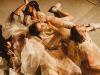
MOUNTAIN | Melanie Lane
MOUNTAIN is at its strongest in transformation: body into landscape, clothing into architecture, acoustic into electronic, individual into collective.